In many ways, this hour feels like a return to form.
To varying degrees, Doc Season 2 has been great, but it has gotten so far ahead of itself with that revenge arc and everyone coming after Amy, which is why it’s easy to understand why viewers feel the series lost focus.
Yet, on Doc Season 2 Episode 13, we get a healthy dose of case- and character-rich storytelling that focuses on the very things that made people connect with this series in the first place.
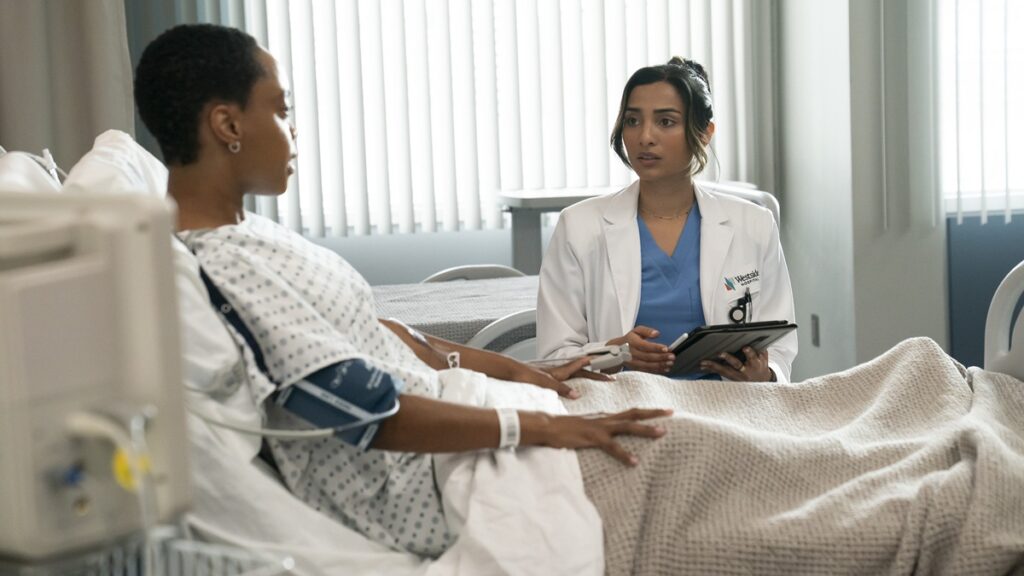
It’s also a quietly timely installment that embodies the beating heart of Minneapolis and its residents, as one case involved a political figure advocating on behalf of disabled individuals and, more generally, for making the city he loves better for everyone.
While Sonya’s case served as a reminder that it’s never too late to recognize biases and actively fight them, as long as you’re willing to get in the fight and make things right.
On the topic of Sonya, dare I venture to guess that we’ve reached a turning point with Sonya and Amy’s relationship? I thought we made one before, so it’s hard to say how long this one will stick or even if it will.
It’s so much nicer when they can be cordial and respectful of each other, rather than all the catty stuff. And the hour gave us a glimpse of what that can look like long-term if they stick with it.
We also got background on their experience together. I always say, the biggest issue with Amy has been that her respect has never been as loud as her disrespect, so it’s all anyone focuses on.
She may have been reprimanding Sonya by simply being direct and authoritative back then. Still, she was Sonya’s biggest advocate when it came to choosing which medical student would ultimately work there.
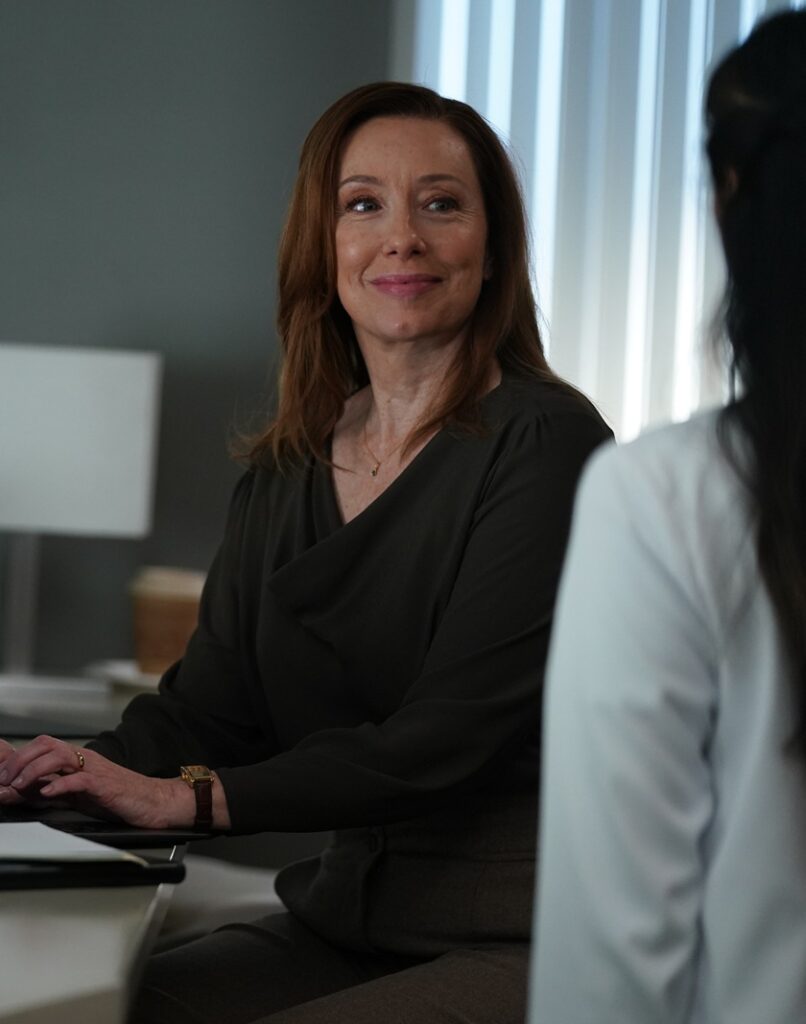
They were speaking about a young woman who paid her own way in medical school rather than relying on her wealthy parents and donors (so, again, pedigree in what form, ma’am) to bankroll everything for her.
Sonya attended those coveted Ivy League schools. But sure.
Sometimes it feels like the series plays fast and loose with Amy’s background during her “dark” period. But we’re to take this as a more layered context for the tension between the two, so it’s not just cut-and-dry and Amy being completely out of line with Sonya.
Regardless, I like them better in this sweet spot of colleagues with a healthy respect for one another, even if they aren’t friends.
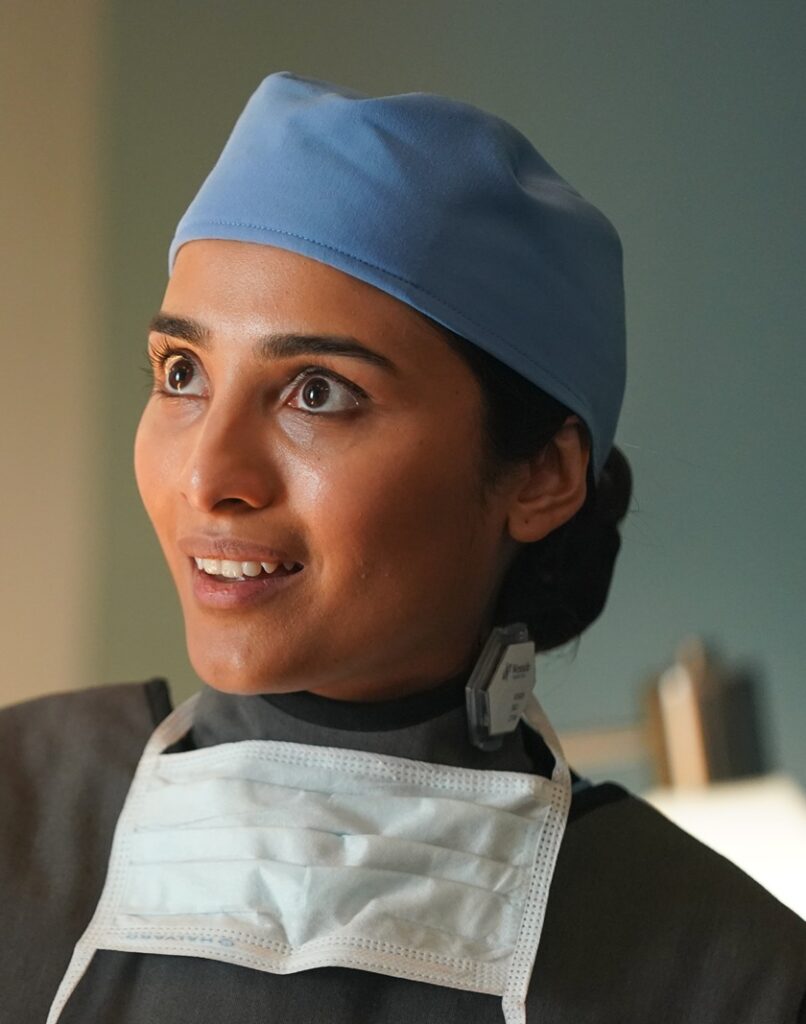
While Sonya still shouldn’t be chief resident, it feels like a rigged game anyway, with Joan making the decision.
And regardless of personal sentiments about Sonya, there are valid frustrations in her working hard to achieve a position Amy previously held, only to potentially lose it because of Amy’s ambition and competitiveness, which blinds her to her own privilege.
There is always an undercurrent of tension between Sonya and Amy that most definitely stems from how Amy navigates spaces differently than Sonya ever could.
Doc is fascinating in that we can always see the misogyny in how Amy is regarded compared to her male counterparts, but we don’t often see as plainly how Amy’s behavior looks through the lens of someone who can’t do half of what she does.
But this competition, more friendly than antagonistic and laced with animosity, is more fun to watch.
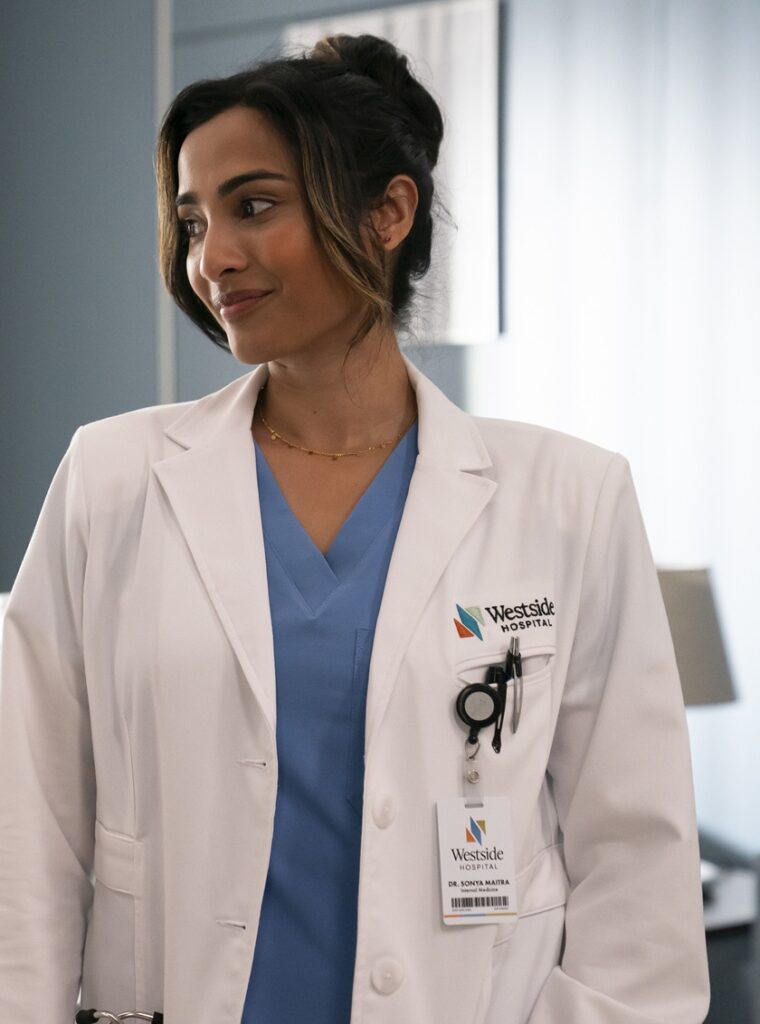
Sonya, having to navigate her own biases and susceptibility, was less fun to watch, but only because it’s as exhausting seeing medical misogynoir onscreen as it is experiencing it. But awareness is essential.
The moment the ER doctor mentioned that the patient was a “frequent flyer” to imply she was drug-seeking, I knew where the arc was headed, and once we saw Jayla and I heard what her symptoms were, it all but sealed it.
It genuinely sucks having to go to the doctor with anything related to “women’s health” issues because it’s underfunded, often unexplored, and not prioritized.
Everyone is just so quick to toss an Ibuprofen at you for any complaint and send you on your way, scoffing if you have the audacity to be less than polite or gracious because you’re in freaking pain.
And you toss being a Black woman on top of that with the deeply embedded beliefs that somehow, someway, we don’t feel pain as much or deeply or can tough it out more, and there are enough horror stories to fill a museum.
Hell, at the center of that museum would be Henrietta Lacks’ story.
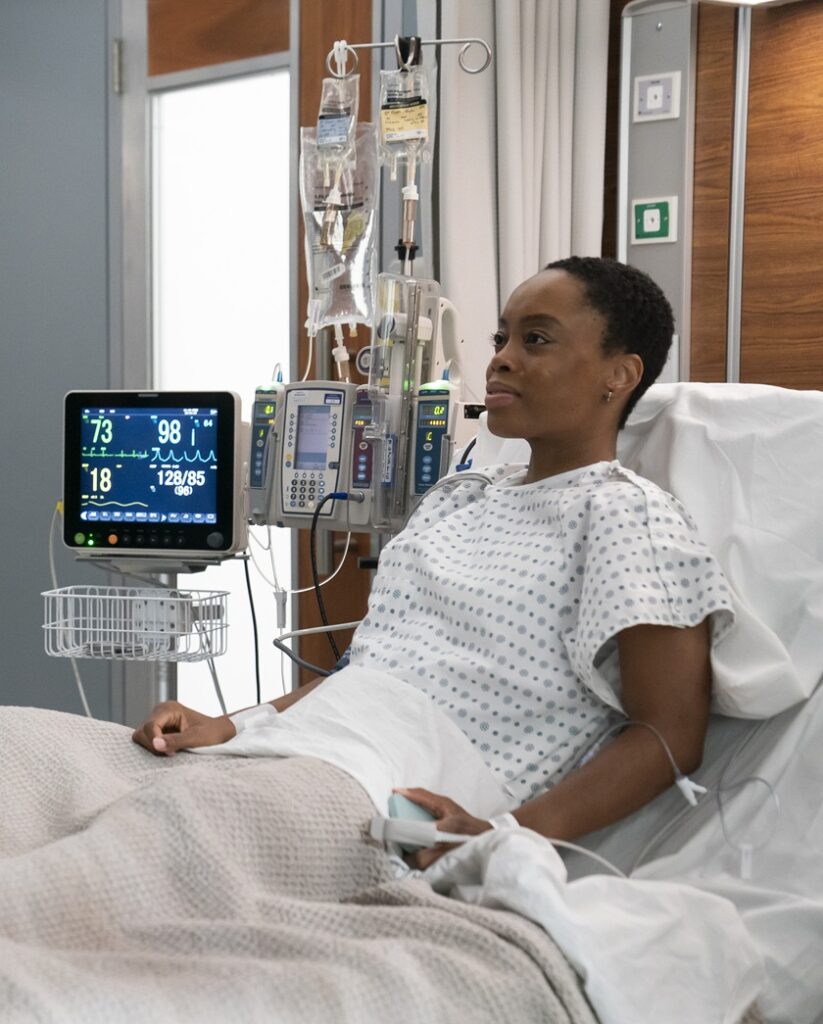
But Sonya is proof that even other people of color aren’t exempt from racial biases.
She allowed the doctor to influence her perception of Jayla before she even spoke to the woman, and treated her like a drug-seeker right up until Gina walked into the room.
Sonya even had the gall to accuse Gina of bias when she didn’t have anything to back up why, medically, she could reach conclusions about Jayla.
She hadn’t done enough tests, followed her full chart, or even talked enough with the woman to do so.
Sonya’s bias doesn’t make her bad; it just makes her human. Everyone has them, as Gina said, it’s what you do with them and how you choose to address them that becomes crucial.
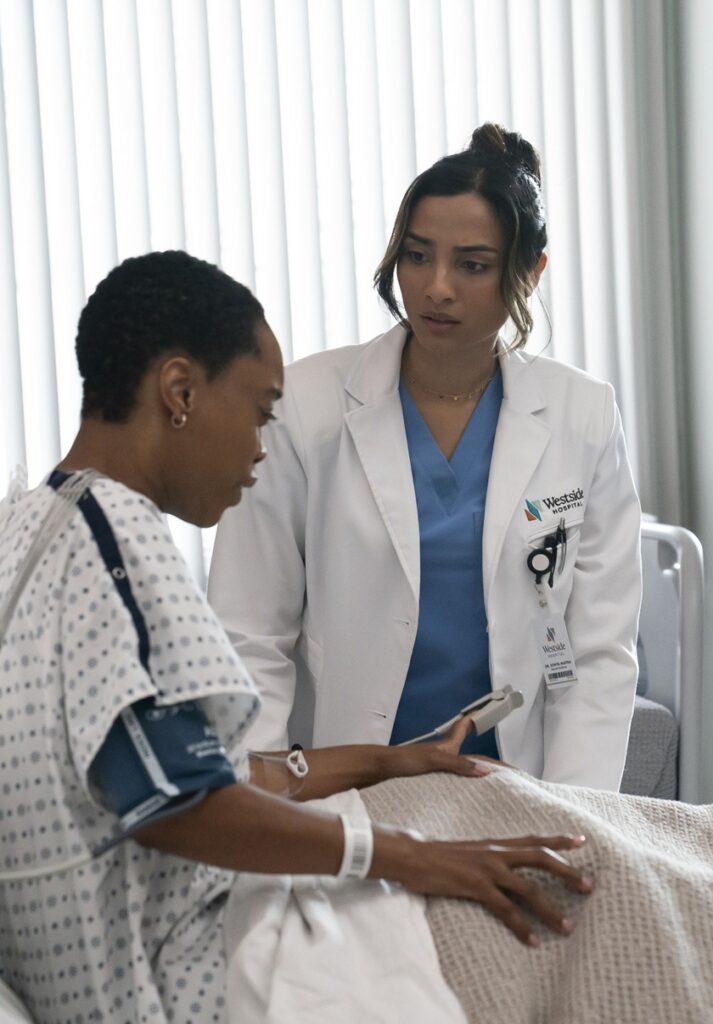
And Sonya turned it around by actively listening to her patient, performing a simple procedure, and figuring out what was really wrong with her.
I wasn’t even surprised that her perimenopause/menopause was masking an issue because, again, that’s just the type of frustrating things that happen when you are/were in possession of a uterus and ovaries. Good times.
It was a great interaction for Gina and Sonya. Sonya is more tolerable when she can actually engage with other characters who aren’t Jamy. And I guess it’s a good thing TJ makes her more tolerable since they’re leaning into that romance.
One of the most endearing aspects of this hour, especially as it relates to a case that revolves around disability rights, advocacy, and recognition, is that Amy has come to understand how her memory flashes work.
The way she so openly acknowledged that she understands them now is quietly profound, considering she’s representative of someone with a TBI.
Literally anything that makes you outside what’s regarded as the status quo requires you to work within the framework of what you have and who you are, rather than against it.
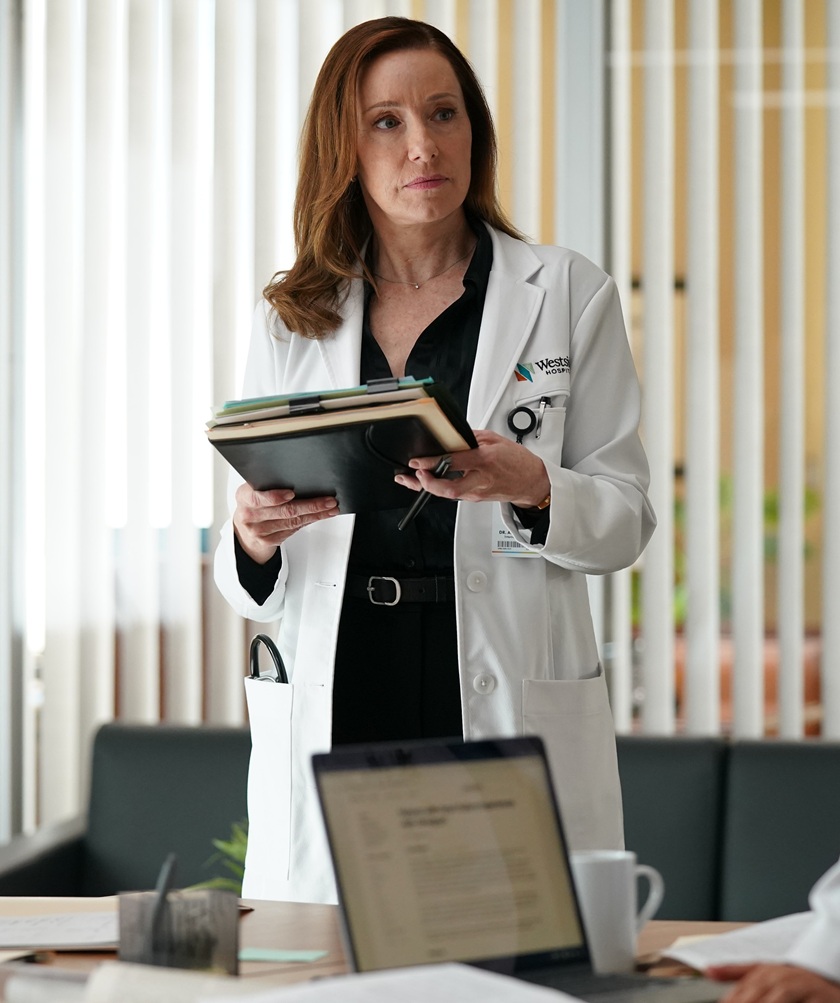
It’s at the crux of arguments about disability — it’s not about “fixing” someone. It’s about accessibility, both literal and the idea that they can find a pathway to creating a world that bends around them as much as they bend around it.
Amy has been reaching a necessary point of acceptance of her TBI, where it’s no longer just exclusively this thing that ruined her life and has made things difficult for her. She’s discovering she can work within the confines of her own mind for better outcomes.
She’s learning how her brain works in its current state rather than lamenting what it used to be, and suddenly it’s not something constraining, but rather just a different way of getting to different results.
It’s also why her connection to her patient and his son, Connor, worked so well, too.
She got to speak in depth with a man who understood what it was like to be one way before an accident completely changed his life, and to find a way to become something different, new, and maybe even better afterward.
These medical issues that happened to both of them don’t have to be representative of an end to their lives or a culmination of all the bad things. Instead, they can find a new strength and different assets through these experiences.
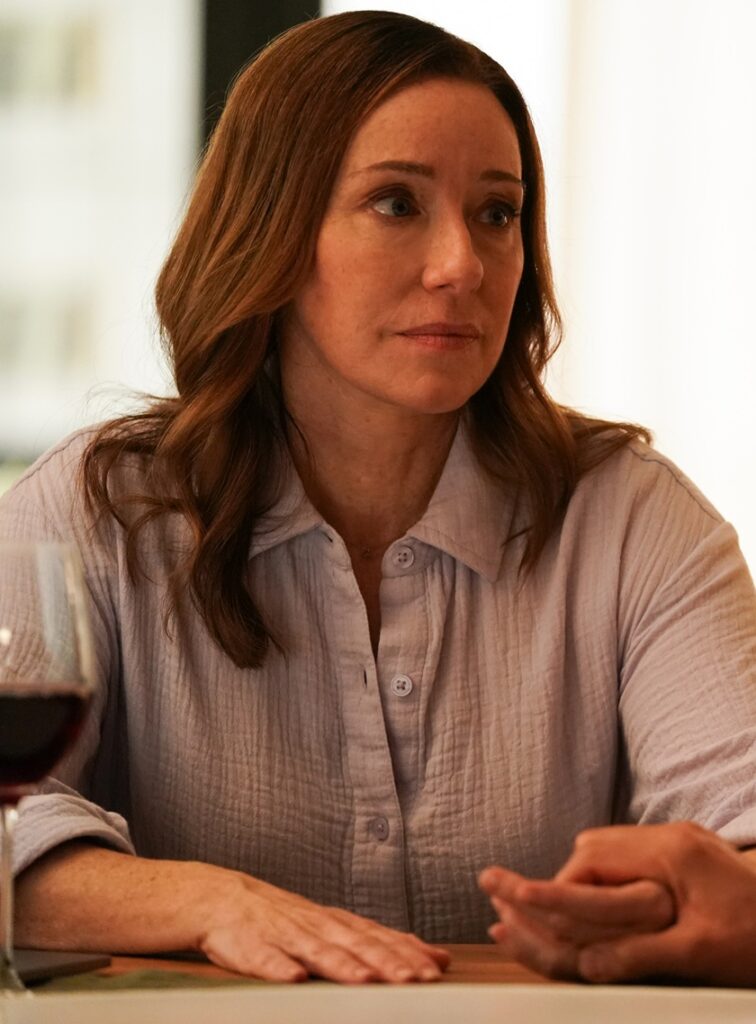
Clarity, empathy, a reevaluation of your priorities and your life — those are all things that Amy and her patient both have gotten from their experiences, and it was nice to see that parallel play out so beautifully.
Amy’s ability to fully understand where her patient was coming from will be helpful as she continues to move forward. And that same ability to see how everything affected Connor may give her a new clarity to how she approaches her own daughter as well.
Turning your battles into war cries, or turning your “quirks” into skill sets, isn’t about diminishing those experiences or how horrific they are, or who people can struggle with, but instead about leaning into the good.
This man’s bill would not have been proposed, let alone passed, if he hadn’t experienced a spinal injury that prompted him to see the world through a different perspective and advocate more for people who slip through the cracks or are seen as invisible.
And Amy would not be nearly as empathetic a doctor now if she hadn’t gone through tribulations, too.

La Casa de Hamda drama was less compelling but still illuminating.
Michael is totally looking for a new job, and I get it. The board is already treating him like he’s on borrowed time, and way too much has happened in the eight months since he took this position.
His parents’ showing up kicked family drama up a notch, but also family lore. They’re very traditional, and now that we’ve met them, it makes sense why Michael is how he is.
His parents blame him for not supporting Amy enough during the loss of their kid, so he ultimately takes the blame for their marriage failing, in part because of some traditional head of the household line of thinking.
What’s interesting is that it doesn’t seem like they were always fans of Amy, but their son bears the brunt of their criticism and blame. And now, he’s facing that with Nora.
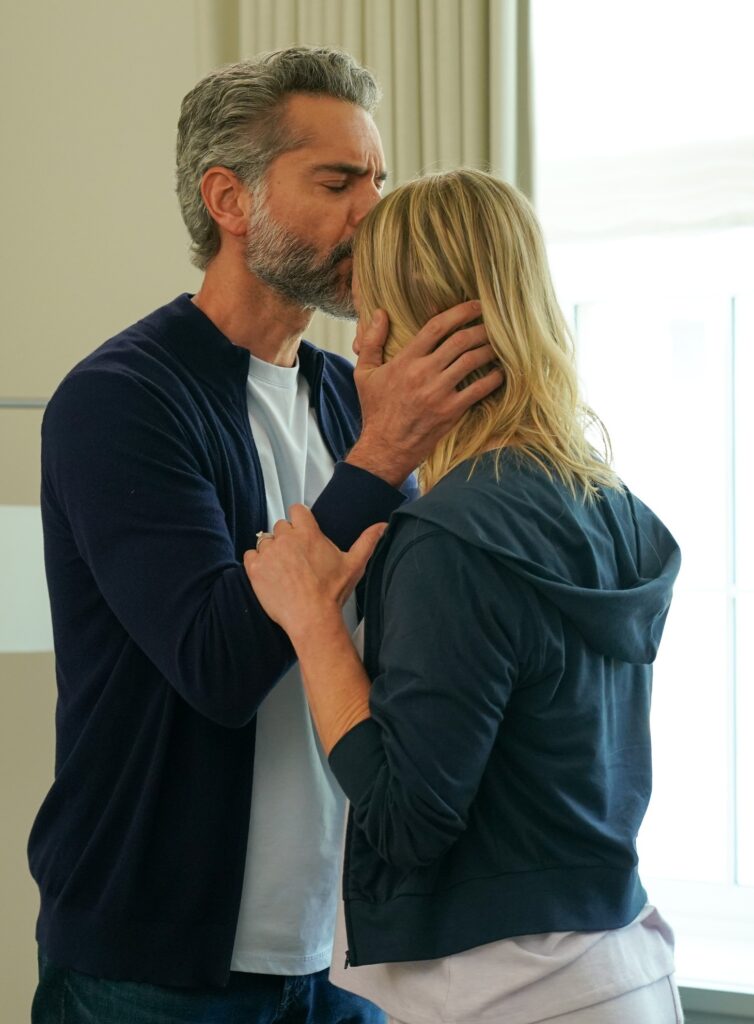
It now makes even more sense why he ended up with Nora.
His parents’ values would have had him marry her even though he wasn’t in love with her. And those same values are why he stayed and wants to stay with her, even though he doesn’t love her.
His parents treat marriage like it’s an exclusive duty and obligation, and regard love like it’s a fantasy. Nora accused Michael of only caring about image, and she was dead on.
If his parents were the blueprint of how he perceived marriage, and he already “fumbled” by following his heart with Amy, then it makes sense that he fell into this marriage with Nora and wants it to work, not because he loves her, but because of duty, obligation, and image, especially in his parents’ eyes.
Meeting Michael’s parents puts him into perspective, especially as a man who seems to rebel against their expectations of him but still ends up suffering under the weight of certain expectations regardless.
We see that with his relationships, his professional life, and his marriages. It almost makes sense why he was the way that he was with Sonya.
Get that man in therapy.
But alas, they may focus exclusively on Katie in therapy instead.
It was so frustrating to watch all these conflicts crop up with her in the room or nearby. No one was thinking about her mental well-being. And she’s already been going through a lot.
It’s not even surprising that she had a panic attack. Poor Katie. Goodness.
Bits and Thoughts:
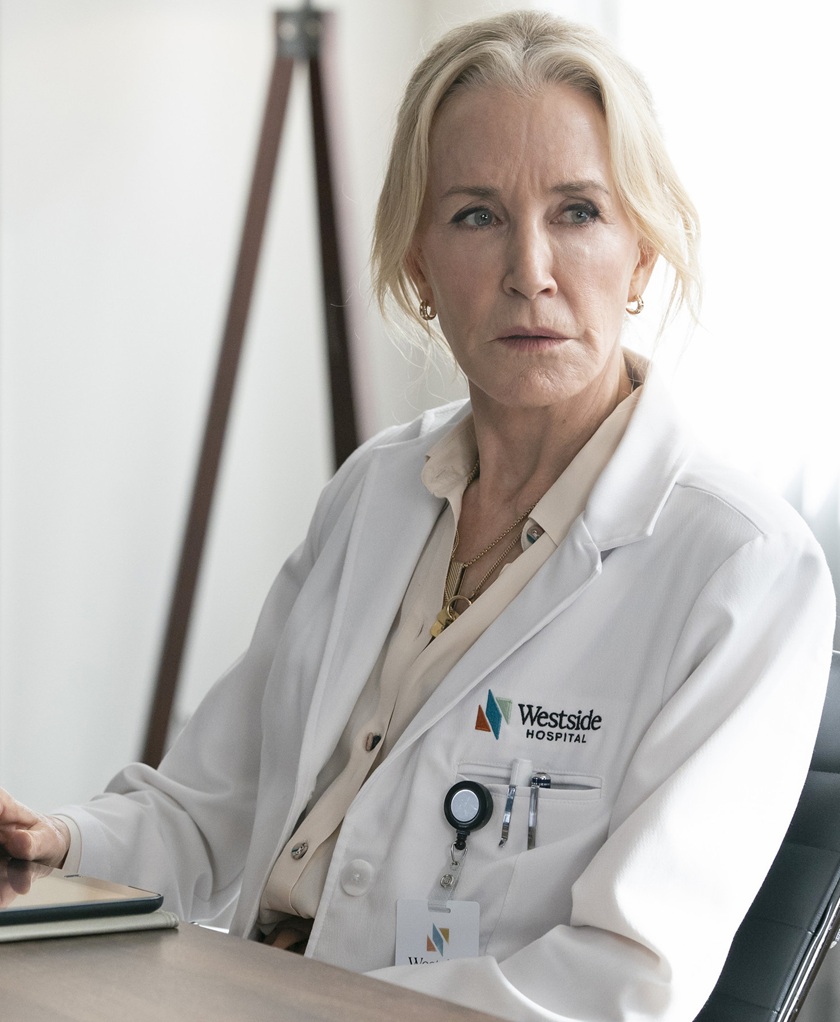
- Now Sonya saw something wrong with Joan, now that she’s close with TJ, I wonder if they’ll be the ones to piece things together first.
- That panic attack scene was brutal, but that needle drop? I do love Amber Run’s I Found. But it also makes me want to watch Maxton Hall again.
- Meeting Michael’s parents just made me really want to know more about Amy’s parents and background. That woman’s trauma and drive run so much deeper than what happened with Danny. Take me to the ROOTS.
- I also feel like Amy has a history of panic attacks or something, and I’d love to see that as a way to explore her and Katie’s dynamic more.
- Jake has just been so chill since his father died. That was a heavy arc, but there’s unfinished stuff there I want them to dig into more, rather than him slipping back into the perfect boyfriend.
This was the best episode of Doc Season 2. It reminds us why we’re holding steadfast. The character dynamics can be excellent.
And what a relief that no time was spent on a revenge arc, no matter who was enacting it. Fingers crossed that we carry on without anything else from Miller for at least a few more episodes. We need this recentering.
What did you think? Vote in our poll below, and get busy in the comments!
-

Doc Season 3’s Trailer Asks Us to “Embrace the Mess” — We’re Embracing the Heart, Hope & Humanity, Too
Doc’s Season 3 trailer teases the perfect reset that has Amy stepping fully into her purpose with humanity, heart, and drama.
-

13 Shows to Catch This Summer If You Haven’t Taken the Plunge Yet
Need a new show to binge this summer? From The Pitt and Widow’s Bay to Marshals and Memory of a Killer, these recent hits deserve your attention.
-

13 Recent Season and Series Finales We Can’t Stop Thinking About
It’s been a busy TV season, so here are our favorite season & series finales this year! From procedurals to fantasy shows, read our list.