Everyone has their Netflix pet peeve.
Binge drops, short seasons, delayed seasons, abrupt cancellations — those are all legitimate complaints, but they’re external problems that might not affect storytelling.
I think Netflix has found another way to ruin storytelling.
The Second-Screen Problem
People often claim its shows are written for viewers who aren’t giving them their full attention.
Characters explain things they would never realistically say out loud. Backstories are delivered through heavy exposition.
Characters announce what they’re doing, why they’re doing it, and sometimes what everyone else is thinking.
Netflix has denied that there’s a formal “second-screen” mandate telling writers to make shows easier to follow while viewers scroll on their phones.
But I don’t think that’s the only problem.
Some of Netflix’s earlier shows understood that television could be complicated.
Characters could be selfish, contradictory, morally repugnant, sympathetic, manipulative, funny, cruel, or all of those things at once.
That’s what made them interesting.
Increasingly, though, I find myself watching Netflix shows where the protagonists seem designed to be agreeable.

Humans are complicated.
We’re biased. We make terrible decisions for reasons that make perfect sense to us. We convince ourselves that we’re right. We surround ourselves with people who agree with us.
We inherit prejudices from our families and communities without necessarily realizing how deeply they’ve shaped us.
That’s reality.
Add TV Fanatic as a Trusted Source on Google!
Get More of Our Coverage!Characters Are Not Meant to Be Blueprints on Morality
I’ve spent enough time lurking around the internet and fandom spaces to notice how often conversations about characters turn into moral judgments.
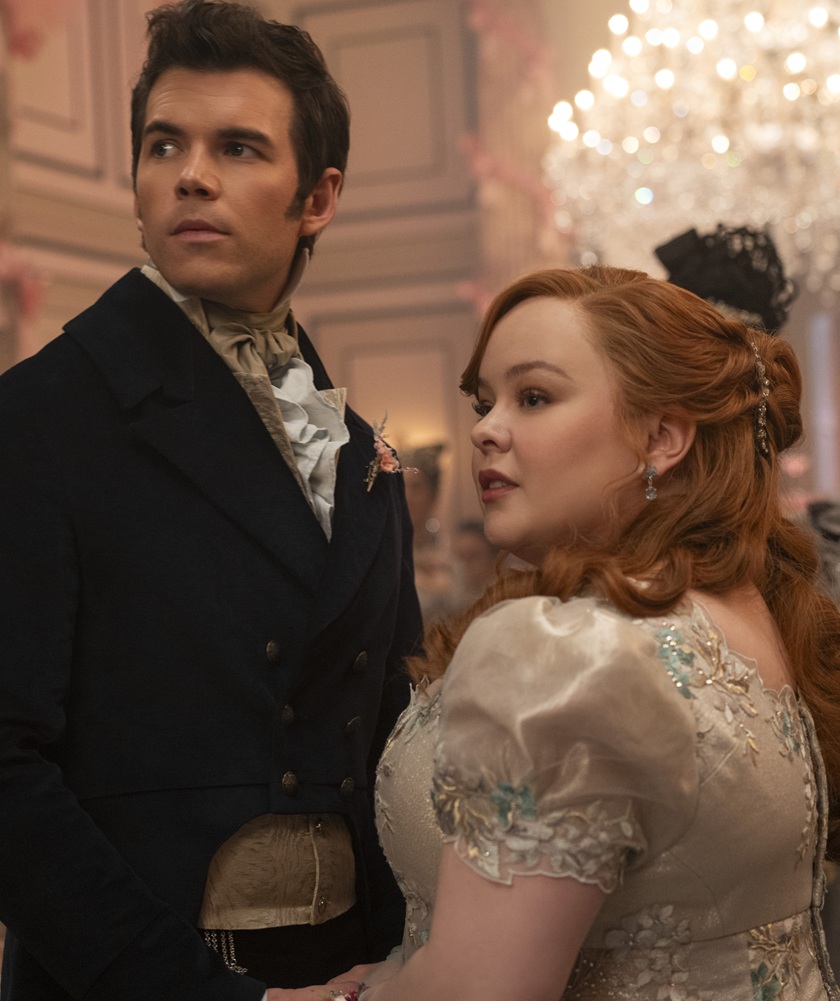
It stops being about the story and becomes an autopsy of why a show dares to have immoral characters.
There’s nothing inherently wrong with that, but sometimes it feels like whether a character is interesting gets buried under whether they’re acceptable.
Sometimes it spills over, and actors catch strays.
Maybe Netflix is responding to that.
The problem is that television doesn’t need to give us people we’d actually want as friends. It needs to give us people we can’t stop watching.
That’s what made Frank Underwood so compelling.
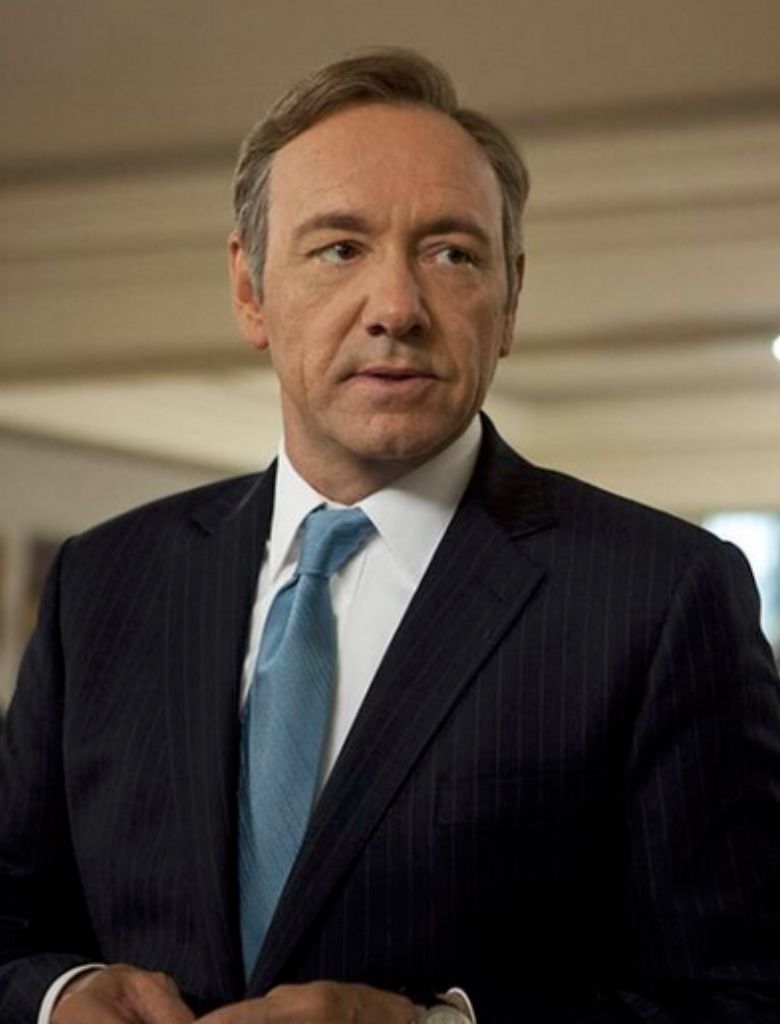
He was a horrible person, but that was precisely why House of Cards worked. He wasn’t written to be morally acceptable. He was written to be fascinating.
I hate to be that guy, but if House of Cards were made today, I suspect Frank would be very different.
His immorality and shrewdness would probably be watered down to make him appealing to viewers.
And that’s where I think pandering becomes a problem.
If every controversial character becomes a problem to be solved, you eventually stop creating controversial characters.
If everyone on screen is someone the audience can comfortably agree with, where’s the conflict?

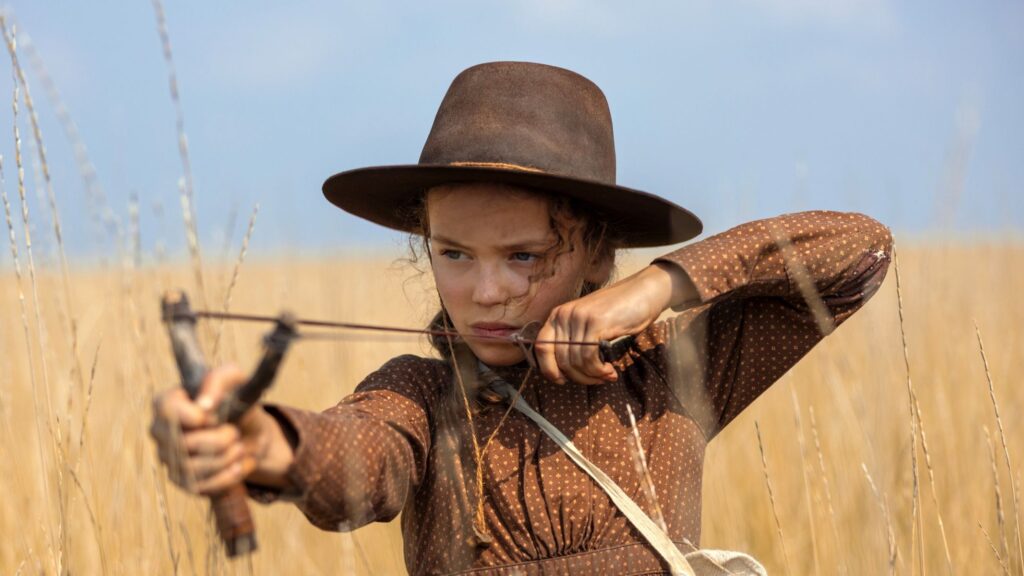
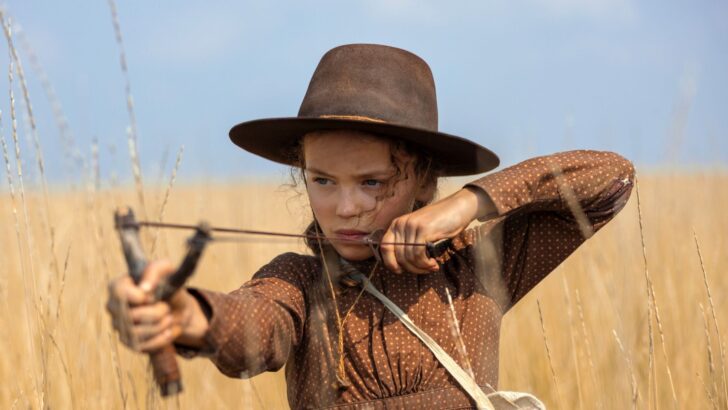
I started thinking about all of this while watching Netflix’s new adaptation of Little House on the Prairie. I enjoyed it because it was comforting.
But when I finished it, I couldn’t shake the feeling that something was missing — a feeling I’ve had several times after watching a Netflix show.
The Ingalls family often feels too perfectly imperfect.
They have flaws, but those flaws rarely seem to fundamentally challenge our understanding of them.
Even when the story puts them in situations where their worldview should become messy or uncomfortable, the characters can feel remarkably clean.
And that makes the world around them feel less convincing.
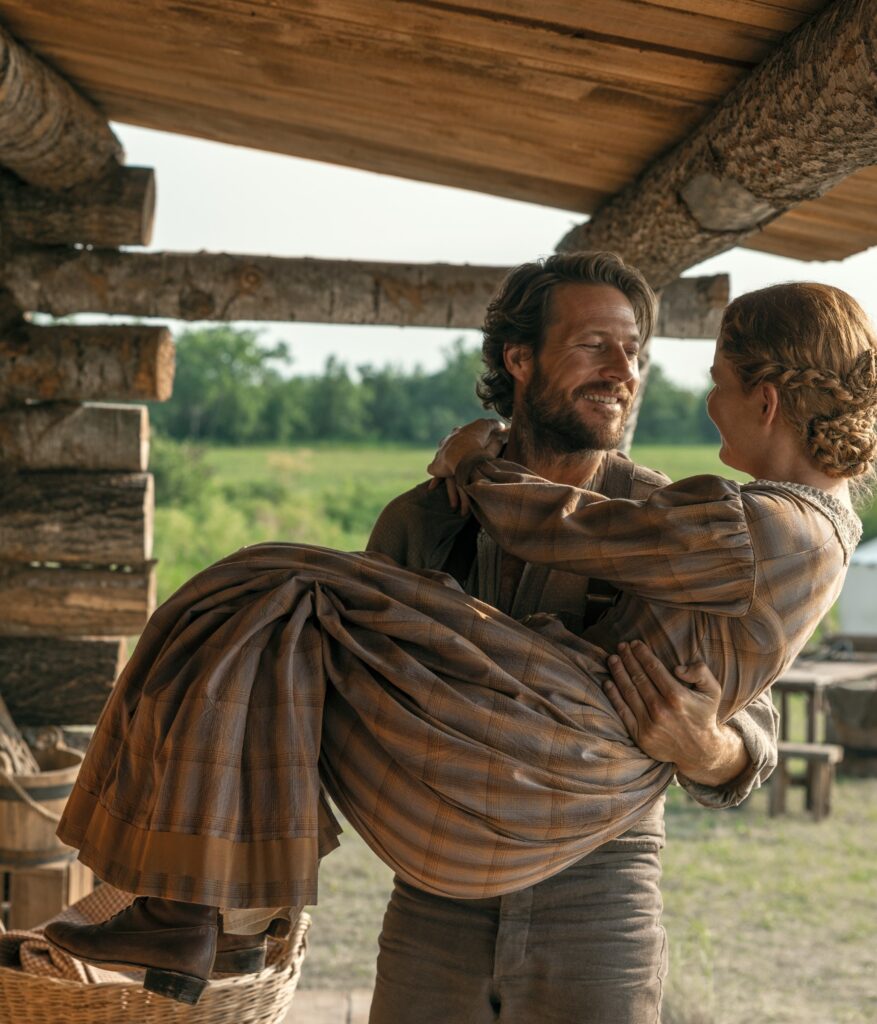
This isn’t me saying every character in Little House on the Prairie needed to be a raging bigot; I’m saying the historical setting should produce obvious friction.
People don’t magically become enlightened because they’re the protagonists.
Laura is a child, so obviously there’s room for her worldview to be shaped by the people and society around her. But the adults should have complicated attitudes too.
They should have prejudices, blind spots, contradictions, and beliefs that make us uncomfortable.
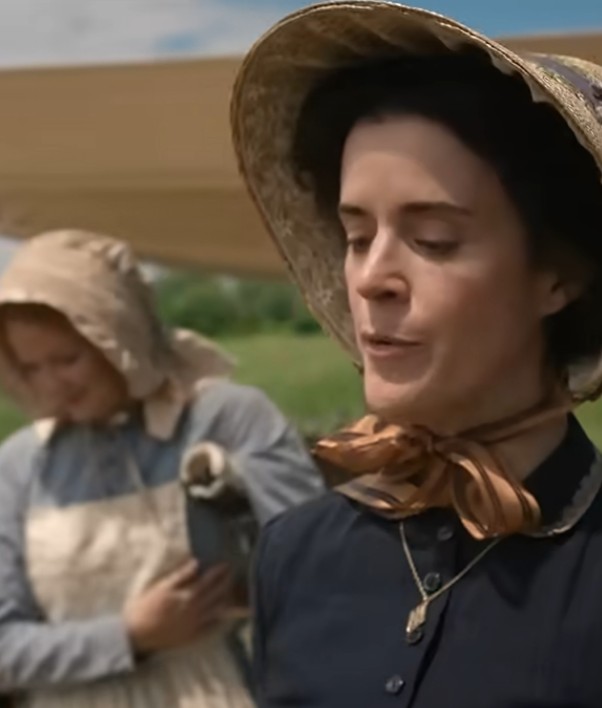
Even Jemma, who should theoretically offer another perspective, feels too restrained in her prejudices to be particularly memorable.
And that contributes to the larger problem. The show is so committed to being pleasant that it rarely gets visceral.
When Comfort Becomes Priority
There’s nothing wrong with comfort watches. Sometimes I want television that I can put on and enjoy without having my entire worldview challenged.
But Netflix cannot become a destination where everything is designed to be comfortable. Especially not when it built its reputation, in part, by giving creators opportunities to tell stories that traditional television wouldn’t touch.
This is where the second-screen conversation and the issue of morally safe characters connect for me.
They both point toward the same kind of television: television that minimizes friction.
If I can look away for five minutes and still understand exactly what’s happening or watch a protagonist make all the right decisions, then that’s slop, not television.

Sometimes I want television to knock me off my feet. I want to finish an episode and think, “Holy fuck!”
Westerns have never been comfort watches.
The genre has always had room for violence, prejudice, greed, corruption, brutality, survival, masculinity, colonialism, lawlessness, and people imposing their own version of justice on everyone around them.
The ugliness is part of the appeal. That’s why Westerns like Deadwood stick with you.
And Netflix doesn’t need to make every show bleak or miserable to understand that.
It just needs to stop treating discomfort as a storytelling failure.

Storytelling shouldn’t always aim to make viewers feel warm and fuzzy.
Sometimes the goal should be to make us stare at the screen and wonder what the hell just happened.
Netflix already knows how to make people watch. The challenge is now to make people care.
What do you think of Netflix’s current trajectory? If you’ve read the books, is Little House on the Prairie that restrained?
Let’s keep the conversation going — it’s the only way the good stuff survives.
Say something in the comments, share if you like, and keep reading. Independent voices need readers like you.
-
Netflix Has Found Another Way To Ruin Storytelling
As if Netflix’s business model has not done some damage to storytelling, it now seems to have a template for its protagonists. We dive into this new problem.
-

Netflix’s New Teen Drama Crew Girl Can’t Find Its Stroke – Review
From love triangles to secret heart conditions, “Crew Girl” checks every YA cliché box — but does it add up to a good show? Read our verdict.
-

Outer Banks Season 5 Character Rankings No One Asked For (But Everyone Needs)
Who really won Outer Banks Season 5? We ranked all nine main characters by their choices, chaos, and comedic value. Spoiler: it’s not John B.